




Is My Watch Waterproof?
Watch Education
Understanding Watch Water Resistance: What You Need to Know
Wondering if your favorite timepiece can handle a splash or a swim? The terms on your watch—like 3 ATM, 5 ATM, or 10 ATM—can be a bit mysterious at first. Knowing the basics of watch water resistance helps you protect your watch and feel confident in your choice, from everyday handwashing to adventures by the pool. Here, we’ll walk through what those markings mean and how to find the best water resistant watch for your routine.
Breaking Down Water Resistance: What Do the Ratings Mean?
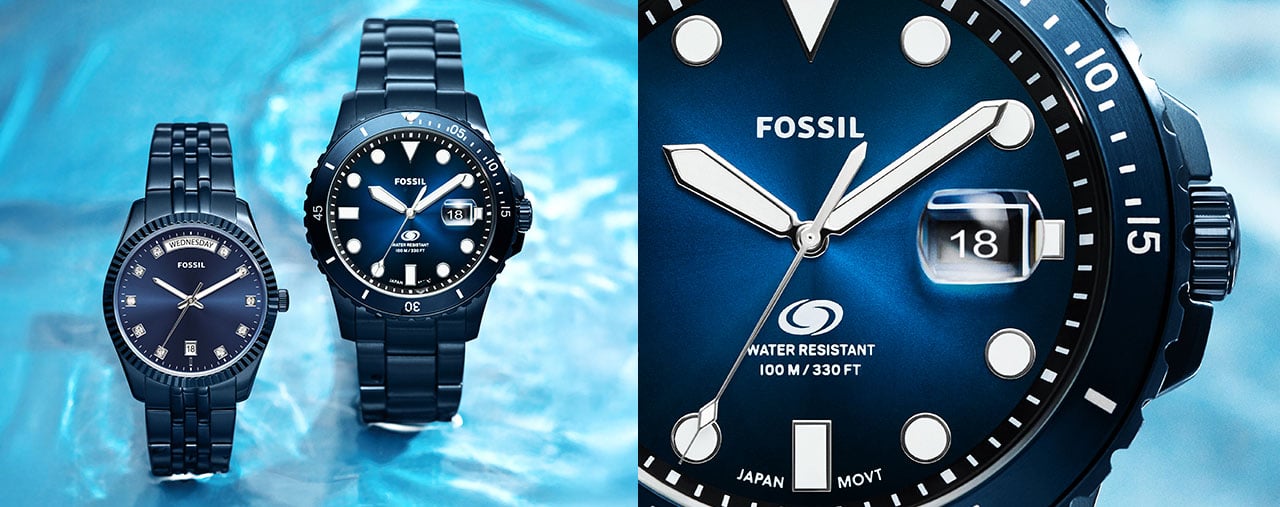
Take a look at the caseback or dial of your watch, and you’ll probably see a rating such as 3 ATM, 5 ATM, or 10 ATM. These “ATM” markings tell you the water resistance level your watch has been tested for—important information if you wear your timepiece every day.
- 3 ATM watches are the least water-resistant and designed for everyday wear. They can withstand occasional splashes and brief immersion, but it is not recommended for swimming or bathing.
- 5 ATM watches means the timepiece can handle pressures up to 50 meters deep. That’s suitable for shallow swimming, showers, or water play at the beach. Choose this watch if you don’t want to have to worry about taking your everyday timepiece off for basic activities.
- 10 ATM watches offer even more durability and are the closest to a waterproof accessory. Watches with this rating can be worn for activities like snorkeling and extended time in the water.
When in doubt, refer to the water resistance chart in your owner’s manual or online. This will tell you exactly what your watch can handle and help prevent accidental damage.
Water Resistant vs. Waterproof Watch: What’s the Difference?
You might see “water resistant” and “waterproof” used in conversations about watches, but there is a clear difference. No watch is truly “waterproof,” because seals and gaskets can eventually wear down over time. Instead, watches are rated for their ability to resist water at specific pressures.
Water resistant watches are built with carefully designed cases, crowns, and casebacks. The crown of a watch (that little knob on the side) plays a crucial role—when it is tightly sealed or screwed down, it helps keep water out.
If you’re wondering if Fossil watches are waterproof, what you’ll find are models engineered to be highly water resistant. Following the rating guidelines, and having gaskets checked every few years, will keep your watch ready for all of life’s moments—rain or shine.
How Watch Construction Impacts Water Resistance
The water resistance of a watch comes down to the details. The case, caseback, and especially the crown all work together to protect the movement inside. These elements must form tight seals so that water cannot seep in under pressure. On higher-rated models like our dive watches with 10 ATM rating, these seals are even more robust, using durable gaskets and sometimes screw-down crowns to boost performance.
This is why not all watches are created equal. A fashion watch with a low rating is stylish for daily wear but should stay dry, while a 10 ATM watch is crafted for much more. Regular maintenance, like having seals checked and keeping the crown closed, will help your watch maintain its water resistance for years to come.
Which Water Resistant Watch Is Right for You?
Choosing the right watch depends on your lifestyle. If you just need a water resistant watch for light splashes—such as during handwashing—a 3 ATM watch is a reliable pick. If swimming is part of your routine, a 5 ATM model gives you security to get your laps in. For the adventurer or fitness enthusiast, a 10 ATM watch handles everything from the pool to snorkeling trips.
Our watches offer clear markings, so you always know what your timepiece can take on. Take a moment to check the back of your watch or the product details online to find the rating that matches your needs.
Filed Under: Watch Education
